Electrical terminals, an essential component in the vast world of electronics, play a crucial role in the interconnection and transmission of electrical signals. These tiny yet powerful pieces of technology have revolutionized the way we connect devices and circuits, enabling the efficient transfer of energy and data. In this article, we will explore electrical terminals in detail, from their internal operation to their application across various industries. Get ready to dive into the fascinating world of electrical terminals and discover how they have changed the way we interact with electronics.
What Are Electrical Terminals?
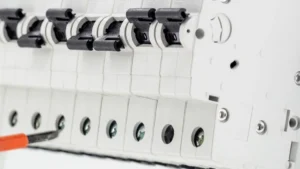
Electrical terminals, also known as contacts, are electrical components designed to provide a secure and reliable connection between different elements of a circuit or electronic device. These small metal parts are typically made from conductive materials such as copper or metal alloys, allowing the efficient transfer of signals and/or electrical current. Terminals are essential in a wide range of applications, from consumer electronic devices to high-tech industrial equipment.
Internal Operation of Electrical Terminals
Electrical terminals consist of several key elements that enable them to perform their function accurately. In their most basic form, a terminal consists of a cylindrical or rectangular body connected to a printed circuit board (PCB) component. At the opposite end, there is usually an exposed connection area that allows contact with other components.
The connection is achieved by inserting the terminal into a compatible connector, such as a socket or receptacle. The spring force of the connector keeps the terminal in place, ensuring a solid and reliable electrical contact. In addition, some connector designs incorporate locking features to prevent accidental disconnections, improving connection reliability.
Applications in Modern Electronics
Electrical terminals play an essential role in a variety of modern electronic applications. Some notable examples include:
- Consumer Electronic Devices
From smartphones to laptops and household appliances, terminals are used to connect internal and external components in a wide range of electronic devices used in everyday life.
- Medical and Laboratory Equipment
Medical devices such as patient monitors and imaging diagnostic equipment rely on terminals to transmit vital signals and clinical data accurately and safely.
- Automotive Industry
In automobile manufacturing, terminals are used to connect electrical and electronic systems, contributing to the smooth and safe operation of modern vehicles.
- Telecommunications and Networking
In telecommunications infrastructures and data networks, terminals are essential to ensure the connectivity and performance of devices such as routers, switches, and servers.
- Industrial Electronics and Energy Systems
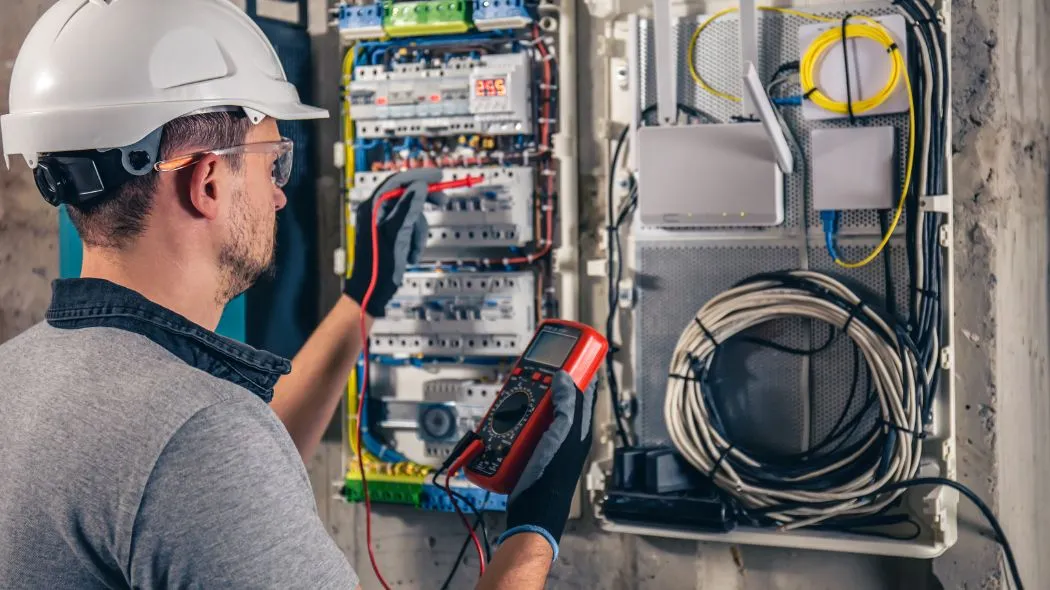
In industrial environments and energy systems, terminals facilitate connections between control components, sensors, and automation equipment, contributing to efficiency and accurate monitoring.
Benefits of Electrical Terminals
Electrical terminals offer several advantages that make them a popular choice for electronic interconnections:
- Reliable Connection
Electrical terminals provide a strong and stable electrical connection, minimizing signal loss and ensuring efficient transfer of energy and data.
- Ease of Use
Their simple design and plug-and-play connection capability make terminals easy to install and replace, streamlining maintenance and upgrades.
- Versatility
Available in a variety of sizes and configurations, electrical terminals adapt to different applications and design requirements.
- Durability
Electrical terminals are designed to withstand harsh environmental conditions, vibrations, and mechanical stress, making them a robust solution for demanding environments.
Constant Innovation and the Future of Electrical Terminals
The electrical terminal industry continues to evolve as technology advances. The miniaturization of electronic devices and the demand for more efficient connections have driven innovation in terminal design. New conductive materials, advanced manufacturing methods, and improved safety features are redefining the role of electrical terminals in modern electronics.
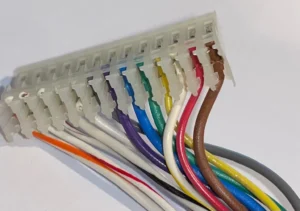
In this context, the concept of the “JST connector” stands out, referring to a specific type of connector used in electronic applications. Known for its reliability and compact design, this connector has gained popularity across various industries due to its unique characteristics.
In conclusion, electrical terminals are fundamental elements in the world of electronics, enabling essential connections in a wide variety of applications. Their ingenious design and ability to facilitate the transfer of energy and data make them a key technology in modern society. As technology continues to evolve, electrical terminals will continue to play a vital role in electronic interconnection and innovation, connecting devices and enabling advances in fields ranging from medicine to communication and industrial automation.