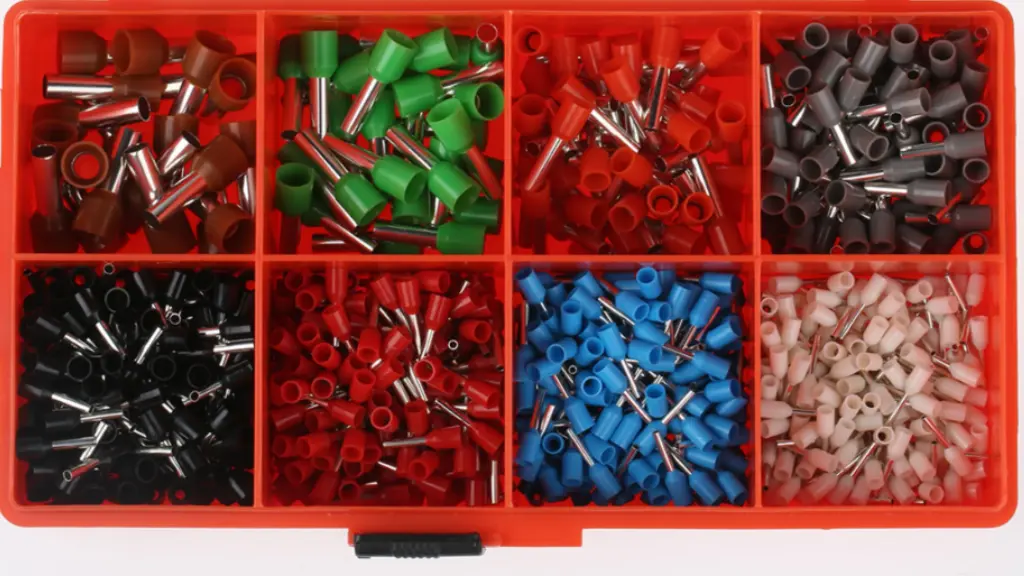
When we think about electrical connections, we usually focus on the cables and devices, but there is a small component that plays a key role in the safety and durability of those connections: cable ferrules. These small terminals, although often overlooked, are essential for cables to operate safely and efficiently. Below, we explore their importance, the different types available, and how to choose the best option for each application.
What Are Cable Ferrules and What Are They Used For?
Cable ferrules, also known as cable terminals, are components placed at the ends of cables. Imagine a cable with many copper strands inside: these strands can be fragile and easily break if not properly protected. This is where ferrules come into play. By placing a ferrule at the end of the cable, the strands are grouped together and protected, allowing for a more stable and secure connection with other elements such as connectors, devices, or switches.
In addition, these ferrules help prevent electrical issues or accidents by reducing the risk of cable strands becoming loose, bent, or worn out. This is especially important in environments with constant vibrations or where cables are exposed to movement.
Advantages of Using Ferrules on Cables
The main advantage of cable ferrules from JST España is that they make the connection safer and more durable. When a cable is properly connected, electrical current flows more efficiently and wear is reduced. Here are some key benefits:
- Secure and Firm Connections: Ferrules help prevent loose connections, which is essential to avoid short circuits and maintain stable electrical flow.
- Protection of the Strands: Cables without ferrules can become damaged at the connection point; ferrules act as a protective layer.
- Easy Maintenance: Using ferrules makes cable handling easier during maintenance, as they allow quick connection and disconnection without damaging the strands.
Types of Cable Ferrules
There are different types of ferrules on the market, each designed to meet specific needs. Some common types include:
- Tubular Ferrules: These are the most traditional and are used in general installations, both in homes and industries.
- Twin Ferrules: Ideal when you need to connect two cables in parallel.
- Insulated and Non-Insulated Ferrules: Insulated ferrules have a protective layer that helps prevent short circuits, while non-insulated ferrules are used in environments where there is no risk of contact with other conductive elements.
How to Choose the Right Ferrule
Choosing the correct ferrule for your cables can make a significant difference in the performance and safety of your installation. Here are some basic tips:
- Size Matters: The ferrule must perfectly match the diameter of the cable. If it is too small, it will not properly cover the strands; if it is too large, the connection will be loose.
- Material and Resistance: Choose materials that are durable and offer good conductivity, such as copper or brass. It is also important that the material can withstand the environment where the cable will be used, such as areas with humidity or exposure to high temperatures.
- Insulation According to the Application: If you are installing the cable in an area where there is a risk of contact, an insulated ferrule can provide an additional layer of safety.
Practical Applications of Cable Ferrules
From household electrical installations to connections in industrial equipment, cable ferrules are a small but essential component. They help extend the lifespan of cables and prevent problems that could arise from faulty connections or damaged wires. In addition, in precision equipment or machinery, their use guarantees a stable connection without loss of efficiency in electrical current flow.