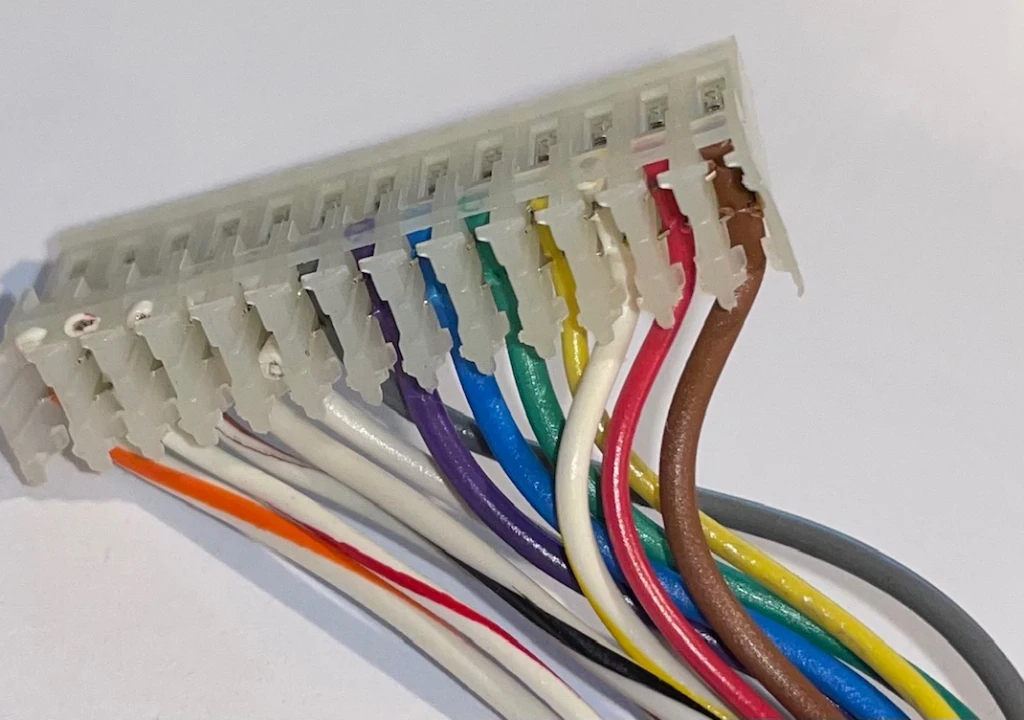
IDC connectors (Insulation Displacement Connectors) are essential components in a wide variety of electronic and industrial applications. These connectors stand out for their ability to create fast and secure connections without the need to strip wires, greatly simplifying installation processes. In this article, we will explore in detail what IDC connectors are, their advantages, main applications, and key aspects to consider when choosing the right one for your project.
What are IDC Connectors (Insulation Displacement Connectors)?
IDC connectors are devices used to connect conductive wires to terminals or printed circuit boards (PCBs) through an insulation displacement mechanism. This system allows the wire to be inserted into the connector without removing its insulation beforehand, since the connection is made through sharp blades or pins that cut through the insulation and make direct contact with the internal conductor.
This design makes IDC connectors ideal for applications where speed and reliability are required in electrical connections.
Advantages of IDC Connectors
- Fast installation: The connection is made without stripping the wires, significantly reducing installation time.
- Reliability: They provide secure and stable connections, even under vibration or movement conditions.
- Compatibility: They are compatible with a wide range of flat and round cables.
- Cost-effectiveness: They reduce production costs by eliminating additional assembly steps.
- Versatility: Available in various sizes and configurations to suit different needs.
Main Applications of IDC Connectors
IDC connectors are widely used in different industrial sectors due to their efficiency and versatility. Some of the most common applications include:
- Consumer electronics: Connection of flat cables in devices such as computers, printers, and household appliances.
- Automotive: Wiring systems in vehicles, especially in sensors and control panels.
- Telecommunications: Connections in telecommunications networks and data transmission equipment.
- Industrial: Machinery and control systems where fast and reliable installation is required.
- Aerospace: Applications requiring durable connections resistant to extreme conditions.
How to Choose the Right Connector
Selecting the correct IDC connector for your project is crucial to ensure installation success. Here are some key factors to consider:
- Cable type: Make sure the connector is compatible with the type of cable you will use (flat or round) and its gauge.
- Number of contacts: Determine how many contacts are required for your application.
- Connector material: High-quality materials such as phosphor bronze or stainless steel provide greater durability.
- Operating temperature: Consider the environmental conditions in which the connector will operate.
- Certifications: Verify that the connector complies with the regulations and certifications required for your industry.
Installation Process
Installing an IDC connector is simple and can be completed in just a few steps:
- Cable preparation: Place the cable in the connector guide, making sure it is properly aligned.
- Insertion: Use a pressure tool or a specific applicator to insert the cable into the connector.
- Verification: Ensure that the cable is firmly connected and that the pins have made contact with the conductor.
- Testing: Perform continuity tests to confirm that the connection is functional.
Maintenance and Durability
Although IDC connectors are known for their reliability, proper maintenance can extend their lifespan. It is recommended to periodically inspect the connections for possible wear or damage, avoid overloading the cables connected to the connector, and store the connectors in dry conditions and at suitable temperatures.
With the advancement of technology, IDC connectors have also evolved to meet modern needs. Some current trends include:
- Miniaturization: Smaller designs for compact devices.
- Advanced materials: Use of plastics resistant to high temperatures and more conductive metals.
- Smart connectors: Integration of sensors and real-time monitoring.
IDC connectors are an efficient and reliable solution for a wide range of applications. Their ease of use, combined with their durability, makes them a popular choice in the electronics and industrial sectors. By selecting the right connector and performing proper maintenance, you can ensure the success of your projects. If you are looking for high-quality IDC connectors, be sure to choose a reliable supplier that offers certified products tailored to your needs.