Timers are very useful devices in homes and industries for automatically controlling the switching on and off of electrical equipment. From turning lights on at specific times to controlling irrigation systems, electrical timers provide a convenient solution for many applications. In this article, we will explore in depth what an electrical timer is, how it works, the different types available, and their most common applications.
What Is an Electrical Timer?
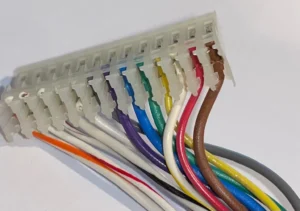
A timer is an electronic device used to control the operating time of an electrical appliance. It works by allowing or interrupting the flow of electrical current to the connected device during a specific period of time according to the desired configuration. This means you can program when you want a device to switch on or off automatically, providing convenience and energy savings. In addition, some timers include JST connectors, which allow secure and reliable connections with other electronic devices. JST connectors are ideal for applications requiring fast and easy connections, such as electronics and automation projects.
How an Electrical Timer Works
The operation of an electrical timer depends on the specific type of timer, but in general, all operate through an internal mechanism that regulates the flow of electrical current. Some timers use mechanical or digital clocks to control time, while others rely on more advanced electronic circuits.
Types of Electrical Timers
There are several types of timers available on the market, each designed for different applications and needs. Some of the most common types include:
- Mechanical timers: These timers use mechanical clocks to control time. They operate with gears and springs that rotate slowly and activate an electrical switch at the desired moment. They are simple and reliable, although they may lack precision compared to electronic timers.
- Electronic timers: These timers use electronic circuits to control time. They can be programmed more precisely and offer a wide range of functions, such as weekly programming, more accurate time settings, and the ability to control multiple devices simultaneously.
- Programmable timers: These timers allow multiple on and off events to be programmed throughout the day or week. They are ideal for automating lighting systems, irrigation systems, or industrial equipment.
- Astronomical timers: These timers are based on the position of the sun and moon to schedule on and off events. They are especially useful for outdoor lighting systems that need to turn on automatically at dusk and off at dawn.
Common Applications of Timers
Timers have a wide range of applications in homes, industries, and agriculture. Some of the most common applications include:
- Lighting control: Timers are used to automatically switch lights on and off, helping save energy and improve security.
- Irrigation system control: In agriculture and gardening, timers are used to control automatic irrigation systems, ensuring plants receive the right amount of water at the right time.
- Equipment automation: In industry, timers are used to automatically control equipment and machinery, increasing efficiency and reducing operational costs.
- Heating and air conditioning system control: Timers are used to schedule heating and air conditioning systems, helping save energy and maintain a comfortable environment.
A Timer Can Simplify Your Life
In summary, timers, along with JST connectors, are versatile and useful devices that offer a convenient way to control the operating time of electrical equipment. Whether in homes, industries, or agriculture, electrical timers provide an efficient solution for automating tasks and improving energy efficiency. If you are looking for an electrical timer for your specific needs, make sure to explore the different options available and select the one that best suits your requirements. Make your life easier and more efficient with an electrical timer!