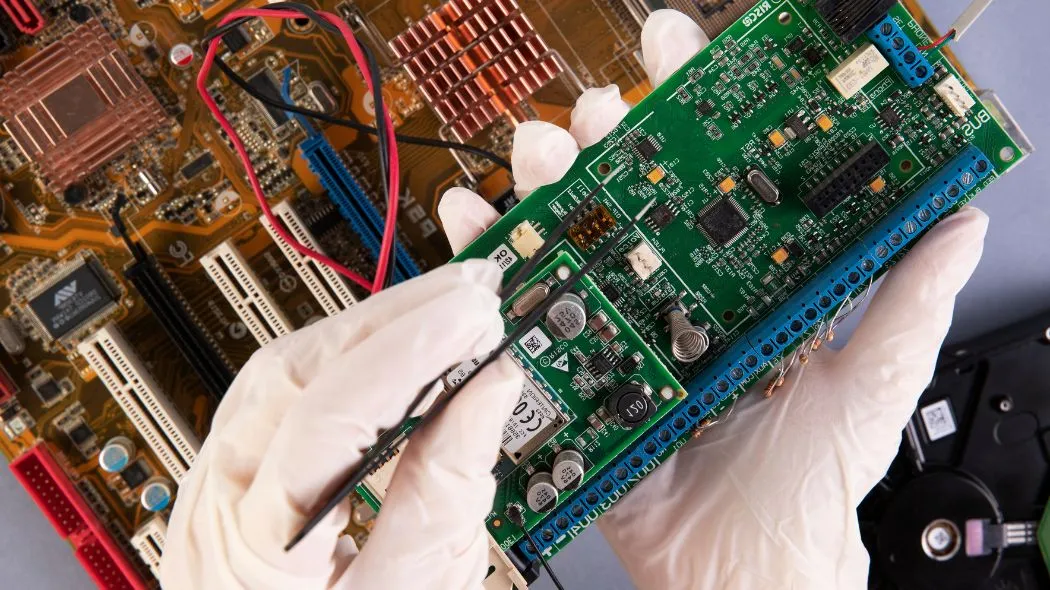
In the world of advanced materials, one of the names that has gained prominence in recent decades is “Kapton.” This high-performance polymer material has proven to be a key component in a wide variety of industrial and technological applications. In this article, we will explore in depth what Kapton is, its unique properties, its applications in different industries, and how it has revolutionized the way we design and manufacture products such as JST connectors in the 21st century.
What Is Kapton?
Kapton is a thermoplastic polymer technically known as polyimide. It was developed by DuPont in the 1960s and has since become a preferred material in a broad range of applications due to its remarkable properties. Its commercial name, Kapton, has become a generic term used to refer to polyimide materials.
Kapton: A Prestigious Name in Industry
Since its invention, Kapton has been synonymous with quality and performance in numerous industries, from aerospace to electronics. Its versatility and ability to maintain its properties under extreme conditions have made it an unmatched option for many critical applications.
Properties of Kapton
One of the reasons why Kapton is so widely used is because of its exceptional properties. Below are some of the key characteristics that make this material so special:
- Resistance to Extreme Temperatures
Kapton is known for its resistance to extreme temperatures. It can withstand temperatures ranging from -269°C (-452°F) to over 400°C (752°F) without losing its mechanical properties. This capability makes it ideal for applications requiring materials that can endure extreme conditions, such as aerospace and space exploration.
- Excellent Chemical Resistance
Another outstanding property of Kapton is its excellent chemical resistance. It is practically inert and does not react with most chemicals, making it a safe and reliable option for environments where exposure to corrosive substances may occur.
- Low Smoke and Toxic Gas Emission
In fire situations, Kapton produces low levels of smoke and toxic gases compared to many other materials. This property is extremely important in applications such as aerospace and vehicle manufacturing, where occupant safety is a major concern.
- Excellent Electrical Resistance
Kapton is also known for its excellent electrical resistance. It is a high-performance electrical insulator and is commonly used in the manufacturing of cables and electronic components.
Applications of Kapton
Thanks to its impressive combination of properties, Kapton has become an essential material in a wide variety of applications across different industries. Some of the key areas where Kapton plays a crucial role include:
- Aerospace Industry
- Electronics
- Solar Energy
- Automotive Industry
- Science and Space Exploration
Recent Innovations
Over the years, significant advances have been made in Kapton research and development. These improvements have enhanced its properties and expanded its range of applications even further. Some of the most recent developments include:
- Enhanced Kapton for High-Temperature Applications: Engineers have developed Kapton variants capable of withstanding even higher temperatures, making them suitable for more demanding aerospace and industrial applications.
- Conductive Kapton: Conductive versions of Kapton have been developed for applications requiring heat dissipation and electrical conductivity.
- Nanometric Kapton: Nanotechnology has enabled the creation of extremely thin and lightweight Kapton films, ideal for applications where weight is critical, such as aerospace and portable electronics.
A Material That Pushes the Limits of Technology
In summary, Kapton is an exceptional material with unique properties that make it invaluable in a wide range of industrial and technological applications.
Its ability to withstand extreme temperatures, its excellent chemical and electrical resistance, and its low smoke generation make it an essential choice in many fields. In addition, ongoing advances in Kapton research and development promise to open new possibilities for the future. JST connectors play a crucial role in many electronic applications and are the perfect complement to materials such as Kapton, a material that has proven to be a pillar of technological innovation and will continue to play a vital role in creating advanced solutions across various industries.