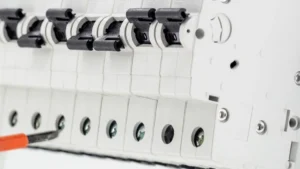
The magnetothermal differential switch is an essential component in modern electrical systems, designed to protect both people and equipment against electrical faults. This device combines the functions of a circuit breaker and a residual current device, providing comprehensive protection against overloads, short circuits, and ground leakage currents. In this article, we will explore in detail what a magnetothermal differential switch is, how it works, its types, advantages, and how to choose the right one for your needs.
What Is a Magnetothermal Differential Switch?
A magnetothermal differential switch is a device that combines two main functions: protection against overloads and short circuits, and differential protection. Its purpose is to protect electrical circuits from overloads and short circuits while also detecting current leakages that could be dangerous for people and equipment.
How a Magnetothermal Differential Switch Works
This device operates through two mechanisms:
- Magnetothermal Protection: It uses a thermal mechanism to detect overloads (through a bimetallic strip) and a magnetic mechanism to detect short circuits (through an electromagnetic coil). When an overload is detected, the bimetallic strip heats up and bends, activating the switch. In the event of a short circuit, the electromagnetic coil creates a magnetic field that also triggers the switch.
- Differential Protection: This mechanism detects differences between the current entering and leaving the circuit. If there is a significant difference, it indicates a current leakage, which can be dangerous. Upon detecting this difference, the device cuts off the electrical supply.
Types of Magnetothermal Differential Switches
There are several types of magnetothermal differential switches, each designed for specific applications and levels of protection. Below are the most common ones:
Type AC Magnetothermal Differential Switch
This is the most common type and is used to protect against alternating current leakage. It is suitable for most residential and commercial applications.
Type A Magnetothermal Differential Switch
This type not only detects alternating current leakage but also pulsating direct current leakage. It is ideal for protecting modern electronic devices such as computers and household appliances.
Type B Magnetothermal Differential Switch
Designed for industrial applications, this type detects both alternating current and pure direct current. It is ideal for protecting industrial equipment and photovoltaic systems.
High Sensitivity Magnetothermal Differential Switch
These devices are extremely sensitive and are used in applications requiring additional protection, such as hospital environments or laboratory equipment.
Advantages of the Magnetothermal Differential Switch
Using a magnetothermal differential switch offers numerous advantages in terms of safety, efficiency, and protection of electrical systems. Some of the main benefits include:
Comprehensive Protection
The magnetothermal differential switch provides complete protection against overloads, short circuits, and current leakage, significantly reducing the risk of electrical accidents.
Improved Safety
By detecting leakage currents, these devices protect people from electric shocks, which is especially important in domestic and work environments.
Cost Savings
By protecting electrical equipment from damage caused by overloads and short circuits, magnetothermal differential switches can help reduce repair and replacement costs.
Easy Installation
Most magnetothermal differential switches are easy to install and maintain, making them a convenient option for a wide variety of applications.
How to Choose the Right Magnetothermal Differential Switch
Choosing the right magnetothermal differential switch is crucial to ensuring the protection and proper functioning of your electrical systems. Here are some key factors to consider:
Current Capacity
Make sure the magnetothermal differential switch has the appropriate current capacity for your application. This refers to the maximum amount of current the device can handle without tripping.
Differential Sensitivity
The sensitivity determines the amount of leakage current required for the device to trip. For residential applications, a sensitivity of 30 mA is common, while industrial applications may require higher sensitivities.
Type of Differential Switch
Choose the appropriate type of differential switch for your application (AC, A, or B) depending on the type of current you need to detect and protect against.
Regulations and Certifications
Ensure that the magnetothermal differential switch complies with relevant regulations and certifications to guarantee safety and effectiveness.
Ease of Use
Consider the ease of installation and use of the device. Differential switches with visual indicators and test features can simplify maintenance and operation checks.
Maintenance and Regular Testing
It is important to perform regular testing and maintenance of the magnetothermal differential switch to ensure proper operation. Here are some recommendations:
- Monthly Testing: Use the test button at least once a month to verify proper operation.
- Visual Inspection: Perform regular visual inspections to ensure there are no signs of damage or wear.
- Professional Maintenance: Consider hiring a professional electrician to carry out annual inspections and maintenance of your electrical systems.
The magnetothermal differential switch is a crucial component in any modern electrical system, providing comprehensive protection against overloads, short circuits, and leakage currents. By understanding how it works, its types, applications, and how to choose the right one, you can ensure the safety and efficiency of your electrical installations.
When selecting a magnetothermal differential switch, consider factors such as current capacity, differential sensitivity, and device type. Make sure it complies with relevant regulations and certifications, and carry out regular testing and maintenance to ensure proper operation.